
The Evolution of Chess
From the Romantic School to the Hypermodern School to the Soviet School /Where are we now?- In the name of God
The chess we face today is a complex and expansive one. To understand this chess (sometimes called ultra-dynamic chess), it is worth looking at its evolution and the stages that have led to its qualitative development. In this way, we will understand where chess's current complexity came from and what caused it.
- Romantic Chess
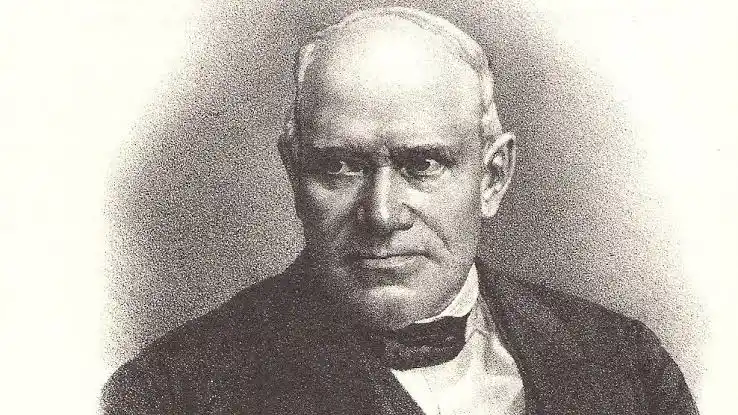
Anderson, the first unofficial world champion, used a style in his games that later became known as the Romantic School.
Characteristics of the Romantic Style:
In Romantic Chess, great importance was given to rapid development. In this style, the opponent was attacked at the first opportunity and, by making heavy sacrifices, a checkmate attack was made before the opponent had a chance to take a castle. At this stage of chess, there was no opening phase and the game began with a preparation for the attack, but with a direct attack on the king. It was clear that this style of play required the beginning of games such as the King's Gambit, Evans' Gambit, Italian, etc., because the art of defense had not yet emerged. This style led to brilliant victories and made its founders famous.
This school is based on the art and creation of beauty. Most games are brave and daring and are accompanied by significant sacrifices. 19th century games are generally inspired by this school, in which gambits were used a lot.
Most games of the 19th century were one-sided games, that is, one side was completely strong and the other was weaker.
Andersen's motto: Attack if possible, otherwise attack and sacrifice
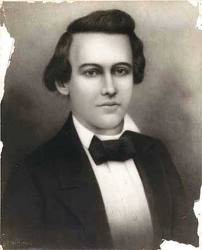
Murphy, another follower of this school, was able to defeat Andersen. The following games between Andersen-Kieseretsky and Murphy-Anonymous in Evans' Gambit are examples of the Romantic game.
Important players of the Romantic school: Stanton, Andersen, Murphy, Bird, Horowitz, Petrov, Paulsen
- Modern (Classical) School
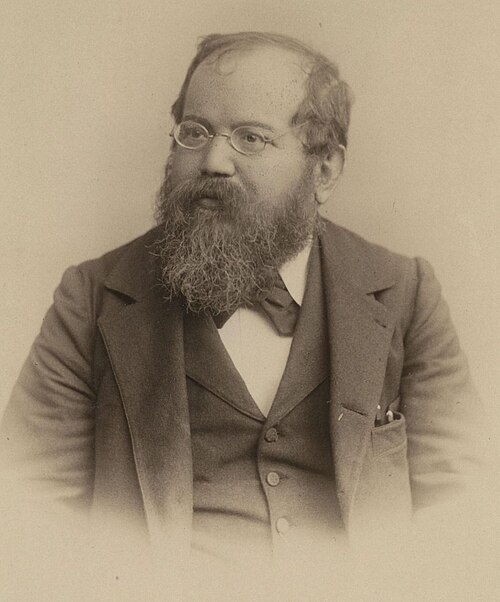
William Steinitz, the first official world champion, founded a style that commentators refer to as modern or classical.
In modern chess, the game is divided into the opening, middle, and endgame phases, each with its own requirements. The principles of the opening phase were: 1- rapid expansion, 2- occupation of the center, 3- king security, and 4- piece coordination. As we can see, the first phase, the beginning of the game, was the preparation phase for attack and expansion, not attack on the opponent. According to this style of play, the beginning of closed games such as the queen's pawn became common, which had not been considered before. Another of Steinitz's innovations was the formulation of the principles of defensive chess. In defense, the principle of economy should be used, which is briefly as follows: in defense, the minimum force and time (tempo) should be used, and as little force as possible should be involved in defense.
Another of Steinitz's defensive principles was based on the principle that the castle pawns (the pawns behind which the king is sheltered) should not be driven because their advance helps to create a gap and open the file on the castle, but the strength of the pawns of the other side is not an obstacle, but is recommended. Steinitz first stated the positional principles that are the basis of the modern school. Steinitz believed that the one who has the advantage should attack and divided the advantages into two categories: long-term (static) and short-term (dynamic). In his opinion, material advantage, the advantage of two bishops, the advantage of an open file, positional advantage (retarded pawn, double pawn, isolated pawn and multiple pawn islands, etc.) caused long-term advantages, and short-term advantages were expansion advantage, advantage in space and advantage of piece coordination, which were temporary in nature. Steinitz recommended that one should try to convert short-term advantages into long-term ones.
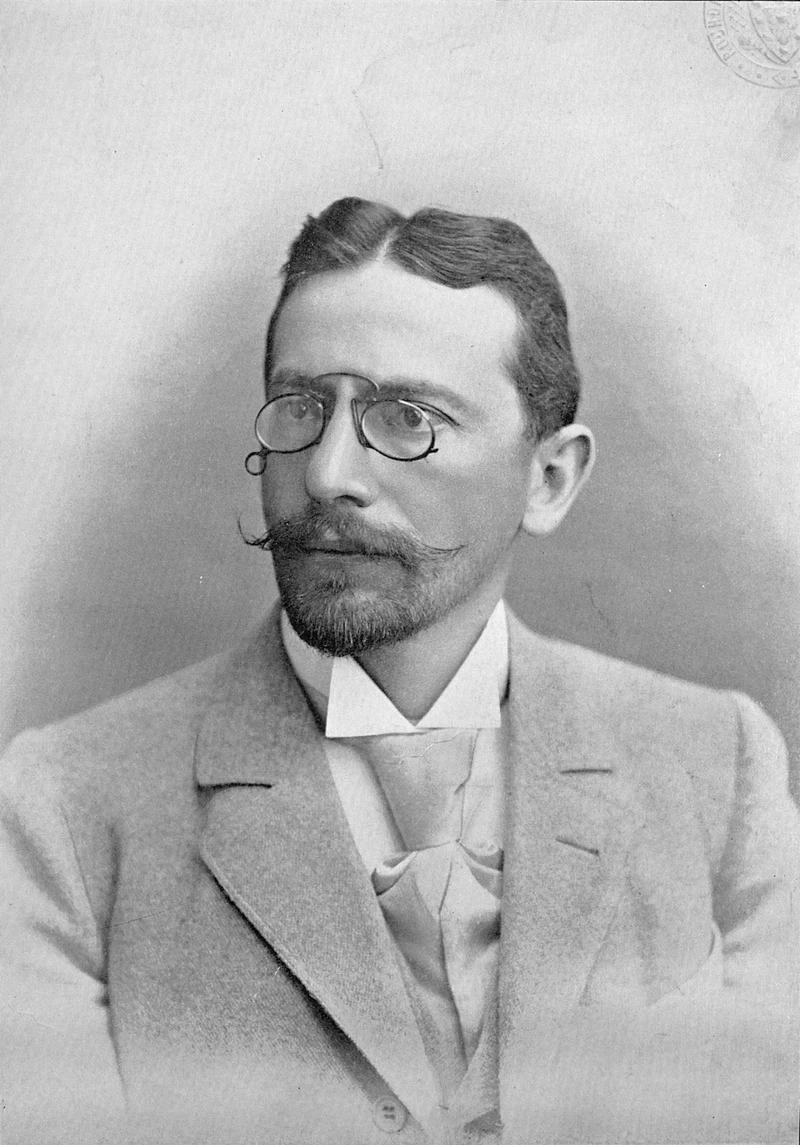
Siegbert Tarrasch made a significant contribution to promoting Steinitz's teachings.
- Hypermodern Chess
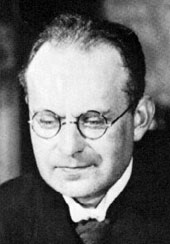
Tarrasch's educational shortcomings, which had brought chess to a standstill, led to a revolution in chess known as hypermodern. The founders and promoters of this school were: Ratti, Tartacore, Brier, Alekhine, Bogolyubov and Nimzowitsch.
Hypermodern Features:
In this style, the concept of occupying the center was expanded and it was stated that occupying the center was not inevitable, but it was possible to give up a pawn center to the opponent, but this pawn center must be attacked regularly, causing them to be exchanged or driven, and finally, the weaknesses created were used to deploy knights. This style led to the creation of a large number of new openings and revisions to old openings. Ratti's opening, Alekhine's defense, Indian variations and Nimzowitsch are among them.
These openings created a different middle of the game.
- dynamic chess
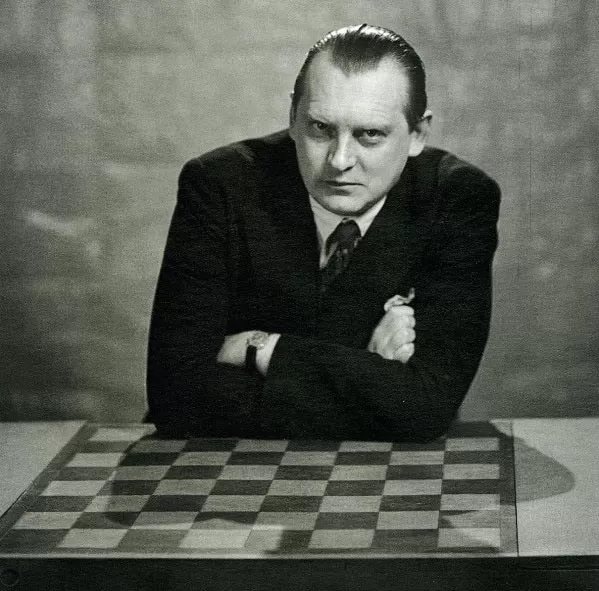
The name of dynamic chess is associated with the name of Dr. Alexander Alekhine, although elements of dynamic play can be found in the teachings of Steinitz, Brier, Murphy, Capablanca, Lasker and others.
Characteristics of dynamic chess:
In short, it is as follows. In dynamic chess, the principle of coordination of pieces is given more importance than any other principle. In this method, there is no hesitation in exchanging advantages. It is common to give an advantage to get a practical and usable type of another advantage. Symmetrical games that have a draw character are avoided. The complexity of the field is given priority, in which a combined vision and the ability to calculate variants come first. In dynamic play, an attempt is made with the white piece to take the long-term initiative and with the black piece to have a counterplay.
- Soviet Chess School
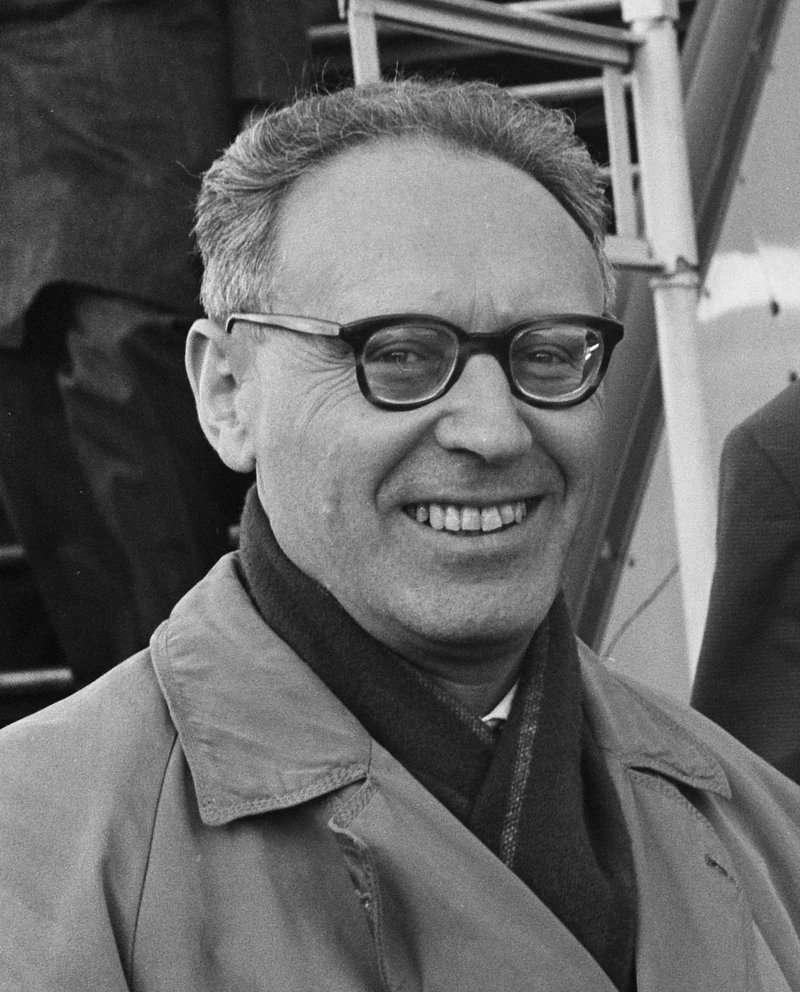
Characteristics of the Soviet Chess School: In this school, chess is viewed as a science that requires objective research. Openings are practically categorized and researched. In the Soviet chess school, great importance is given to physical strength. In addition to studying chess, the player must definitely engage in physical training. According to this school, chess is primarily a sport.
- References:
Masters of the Chess Scene - Richard Murphy.
My Method - Iron Nimzowitsch.
Dynamic Chess - Coles
Dynamic Chess Strategy - Mihal Soba.
Modern Chess Strategy - Alexey Swetyn
- Source:
Iranian Chess Federation Website - Tehran Province Chess Board

