
Opening Error
An Important Opening Detail You Should Not Miss I know this is still very early in the game—we are technically in the opening phase. But this position contains an important detail that is worth highlighting.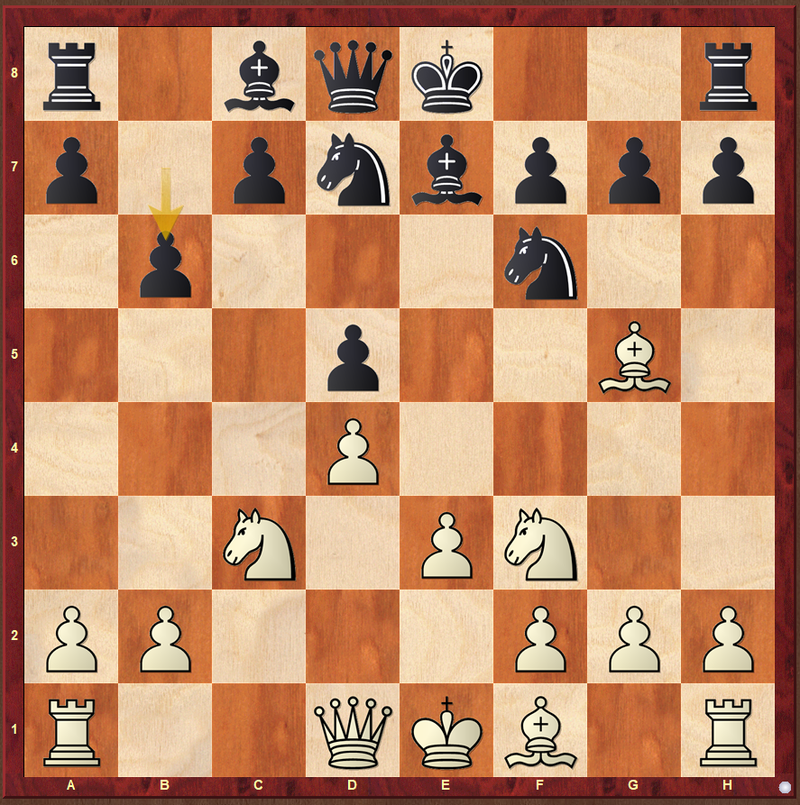
Black has just played 7...b6.
Before reading further, I strongly recommend that you pause for a few minutes and think:
How should White continue here?
This is a very common opening position.
Many players automatically play ...b6 with the idea of developing the light-square bishop to b7.
However, in this specific position, 7...b6 is a serious mistake.
White has a very strong and simple reply.
White’s Strong Response: 8. Bb5!
White immediately plays:
8. Bb5
This move creates an uncomfortable situation for Black.
Black’s usual response is:
8...Bb7
The idea is clear—Black wants to prevent Bc6 and complete development.
But the problems are only beginning.
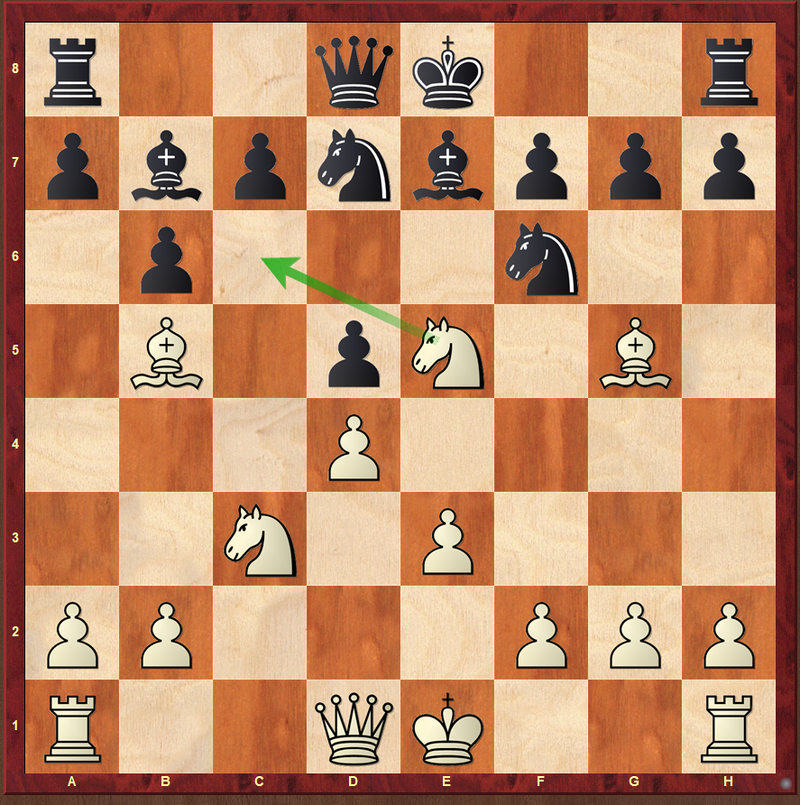
The Key Follow-Up: 9. Ne5!
Now White plays:
9. Ne5
This is the critical idea.
White’s plan is very simple:
- Prepare Nc6
- Force Black into an unpleasant decision
For example, if Black continues naturally with:
9...O-O
10. Nc6!
Now Black is forced to give up one of the bishops, and the resulting position causes damage and long-term weaknesses.
White gains a clear positional advantage.
Why Black Usually Plays 7...c6 Instead
This is exactly why experienced players prefer:
7...c6
This move leads to the famous Carlsbad pawn structure, which is solid and well studied.
How to Play ...b6 Correctly
If Black really wants to play ...b6, the move order is very important.
The correct approach is:
- Castle first
- Keep the knight on b8 to control the c6 square
- Then play ...b6
- Develop the bishop to b7
- Finally, bring the knight to d7
This move order avoids unnecessary damage and keeps Black’s position healthy.
Key Opening Lesson
In the opening, it’s not just about what you play—but when you play it.
A move that looks natural, like ...b6, can become a mistake if the timing is wrong.
Thanks for reading.
Please share your thoughts in the comments—would you have spotted this idea for White during the game?
Youtube Link : https://youtu.be/vTZkqjCA76E
You may also like
 CM Barath2000
Decision Making : Should White Play c5 Here?
Should White Play c5 Here? In this position, it is White to move Would you play c5 here? Before read… CM Barath2000
Find the Idea
In this position, White is doing very well. The pieces are well-placed and the space advantage is cl… CM Barath2000